


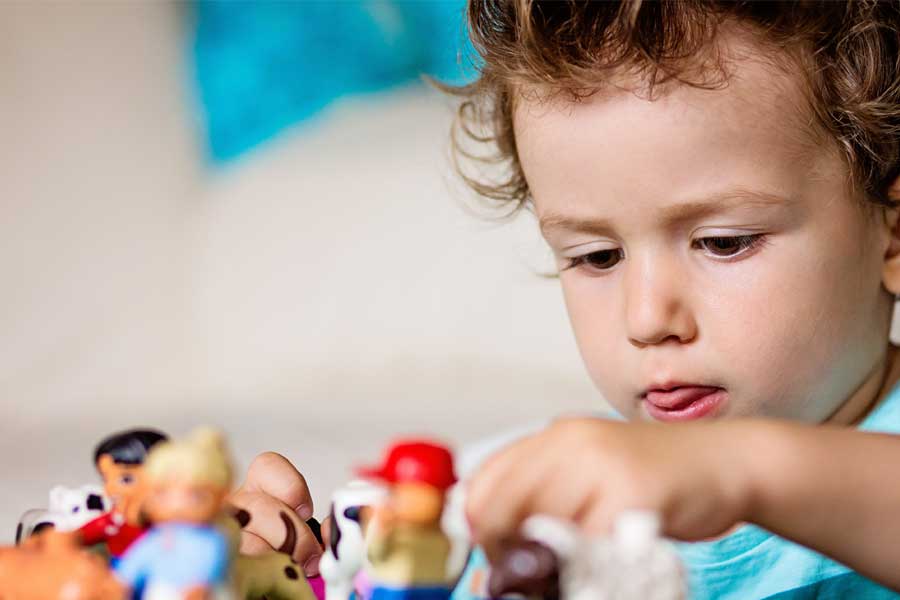
It Looks Like Play… But It is Therapy
If you’ve ever watched your child during a therapy session and thought, “It just looks like they’re playing,” you’re not alone.
It is a very common question and something many parents share with us in their first few sessions.
So, why is play used so often in therapy?
The short answer is: play is how children learn best.
At Happy Chatter, play is not a break from therapy. Play is the therapy.
Why Play Is Used in Therapy
For children, play is not separate from learning. It is how they explore the world, communicate their ideas, and develop new skills.
Through play, children can:
- express themselves
- try new ideas
- practise social interactions
- build confidence
For example, a child might practise asking for help during a game, or learn to take turns while playing with a therapist.
Because play feels natural and enjoyable, children are often more motivated to engage and learn.
This is especially helpful when working on skills that may otherwise feel challenging or frustrating.
What Skills Are Being Developed Through Play?
While it might look like a simple game, therapists are intentionally choosing activities to support a range of developmental skills. For example, during a simple activity like building with blocks, a therapist might be supporting a child to follow instructions, use new words, or solve problems when something does not go to plan.
Language and Communication

- learning new vocabulary
- forming longer sentences
- understanding instructions
- asking and answering questions
Social Skills

- taking turns
- sharing ideas
- responding to others
- building relationships
Thinking Skills
- problem-solving
- flexible thinking
- planning and organising
Emotional Skills

- coping with losing
- managing frustration
- waiting
- building resilience
Motor Skills

- coordination
- fine motor control
- motor planning
We often see children start to use new words, take turns, or try new skills naturally during play, without feeling like they are being “taught”.
Play allows children to practise these skills in a way that feels meaningful and engaging.
How Play Develops Over Time
Children’s play becomes more complex as they grow.
In the early years, play is often sensory and movement-based, such as:
- exploring objects
- repeating actions
- watching how things move
As children develop, they begin to engage in pretend play, using imagination and acting out everyday experiences like cooking, shopping or going to the doctor.
Over time, play becomes more detailed and imaginative. Children begin to:
- create stories
- take on different roles
- solve problems within their play
As play develops, so do important skills like planning, problem-solving and understanding others’ perspectives.
How Therapists Use Play in Sessions
During sessions, therapists carefully observe how a child:
- uses toys and materials
- initiates and maintains play
- interacts with others
- responds to challenges
This helps us understand each child’s strengths, interests and areas where they may need support. For example, some children may repeat the same play over and over, while others may find it hard to stay engaged or try new ideas.
From there, therapists gently guide play to support development. This might include:
- expanding on a child’s idea
- modelling new ways to play
- introducing new characters or scenarios
- encouraging turn-taking
- supporting emotional regulation
- adding small challenges to build problem-solving
These small changes might seem simple, but they are carefully used to help children practise new skills in a way that feels natural.
Therapy always starts at the child’s current level so activities feel achievable, motivating and supportive.
Why Building Rapport Matters
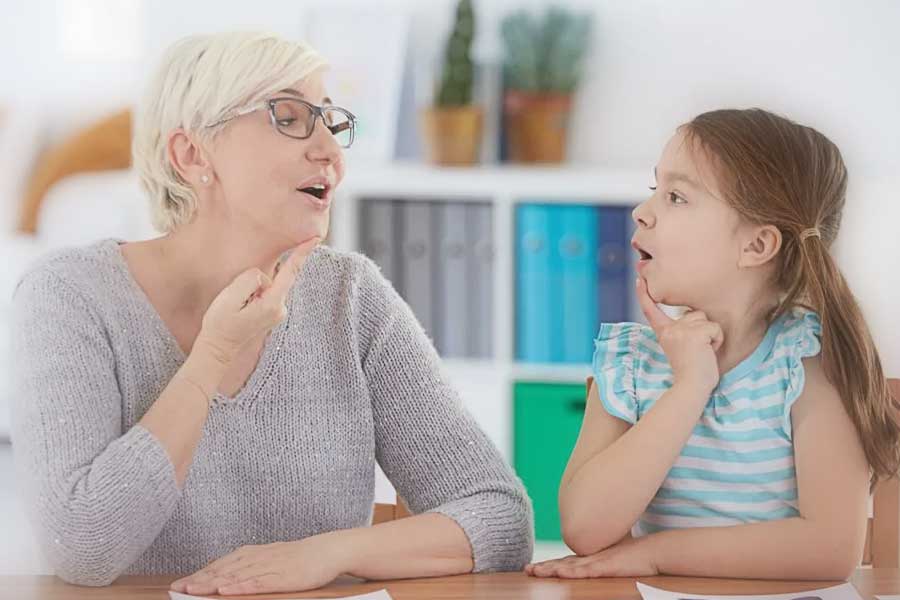
You may notice that therapists spend time getting to know your child and joining their play.
This is called rapport building, and it is an essential part of therapy.
Children learn best when they feel safe, understood and supported. This is often why the first few sessions may look more relaxed, as the therapist is building trust before introducing more structured challenges.
When a strong connection is built, children are more likely to:
- engage in activities
- try new challenges
- share their ideas
- build confidence
This relationship forms the foundation for meaningful learning.
Real Examples of Play in Therapy
Here are some common activities you might see in sessions, and what they help develop:
Pop Up Pirate
- turn-taking and collaboration
- emotional regulation coping with surprise
- problem-solving
- language skills
Sensory Gym

- imaginative and pretend play
- social interaction
- confidence and independence
- communication skills
Car Puzzle Set
- cooperative play
- storytelling and sequencing
- joint attention and sharing
- problem-solving
Magnetic Tiles
- creativity and imagination
- fine motor skills
- flexible thinking
- persistence and resilience
These are the types of activities you may see in both individual sessions and our small group programs, where children practise these skills in a fun and supportive environment.
Learn more about our therapy groups here
Play Ideas You Can Try at Home
You do not need special equipment to support your child’s development. Simple play at home can be very powerful. In fact, some of the most effective moments happen during everyday play and routines at home.
Pretend Play
- act out everyday routines
- create simple play stories
- add small problems to solve
Building Activities
- build towers, bridges or houses
- work together and share ideas
- add simple challenges
Imaginative Play
- use dress-ups
- take turns being different characters
- act out favourite stories
Board Games

- practise turn-taking
- model how to win and lose
- create your own simple games
A helpful tip is to follow your child’s interests and keep play enjoyable and pressure-free.
The Most Important Part: Connection
No matter the activity, the most powerful part of play is your relationship with your child. Even short, simple moments of play together can support your child’s development.
You are supporting development when you:
- follow your child’s lead
- show interest in their ideas
- stay present and engaged
- keep play enjoyable
The Power of Play
Play may look simple, but it is one of the most powerful ways children learn.
During therapy, every activity is chosen with purpose to support communication, thinking, social and emotional development.
So the next time a session looks like play, remember:
Play is not a break from therapy.
Play is the therapy.
Ready to Learn More?
If you are wondering whether play-based therapy could support your child, or if you have questions about your child’s development, you are always welcome to reach out to our team.