


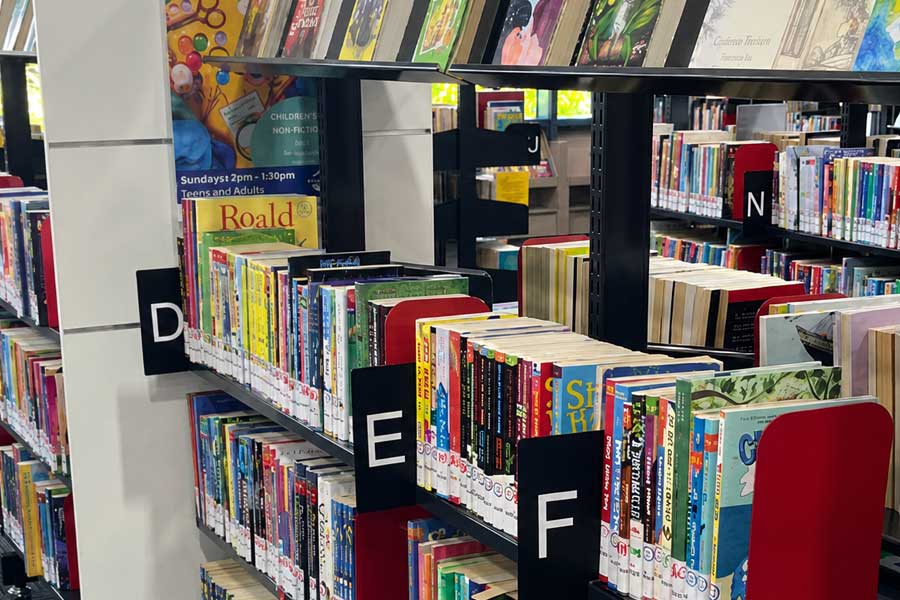
There are thousands of children’s books to choose from, but when it comes to supporting language development, you don not need a shelf full of special “educational” books.
Some of the best books are actually the simple ones your child wants to read again and again.
For babies and toddlers, books provide opportunities to hear new words, notice sounds, look at pictures, join in with familiar phrases and enjoy back-and-forth interactions with you. Whilst certain types of books can make these interactions easier, there isn’t one perfect book for language development. Knowing how books help toddlers learn to talk makes choosing easier. As pediatric speech pathologists who work with babies and toddlers every day, we are often more interested in how a child engages with a book than whether a particular title appears on a recommended reading list.
So, what should you look for?
- What makes a good book for language development?
- Books for babies and early communicators
- Books with repetition and predictable language
- Books with sounds and actions
- Books for learning new words
- Books about familiar experiences
- Books for talking about feelings
- Books for early storytelling
- Do you need to buy particular books?
- It is not just what you read, it is how you read together
- When you are concerned about your child’s language
What makes a good book for language development?
A good book is one that gives you and your child plenty to notice, enjoy and talk about together.
Depending on your child’s age and interests, look for books with:
- clear and engaging pictures
- repetition and predictable phrases
- interesting sounds and actions
- familiar people, objects and experiences
- opportunities for your child to join in
- stories or pictures your child genuinely enjoys.
Most importantly, follow your child’s interests.
A book about trucks may create far more opportunities for interaction with a truck-loving toddler than a book chosen because it’s supposed to be “good for language”.
The books we’ve included below are speech pathologist-recommended favourites we regularly reach for at Happy Chatter because they’re simple, engaging and give children lots of opportunities to join in.
Books for babies and early communicators
For babies, reading is less about following a story and more about sharing an interaction.
Books with clear pictures, sturdy pages, faces, animals and familiar everyday objects work particularly well. Babies might look at a picture, reach for it, make a sound or try to turn the page.
All of these are ways of participating.
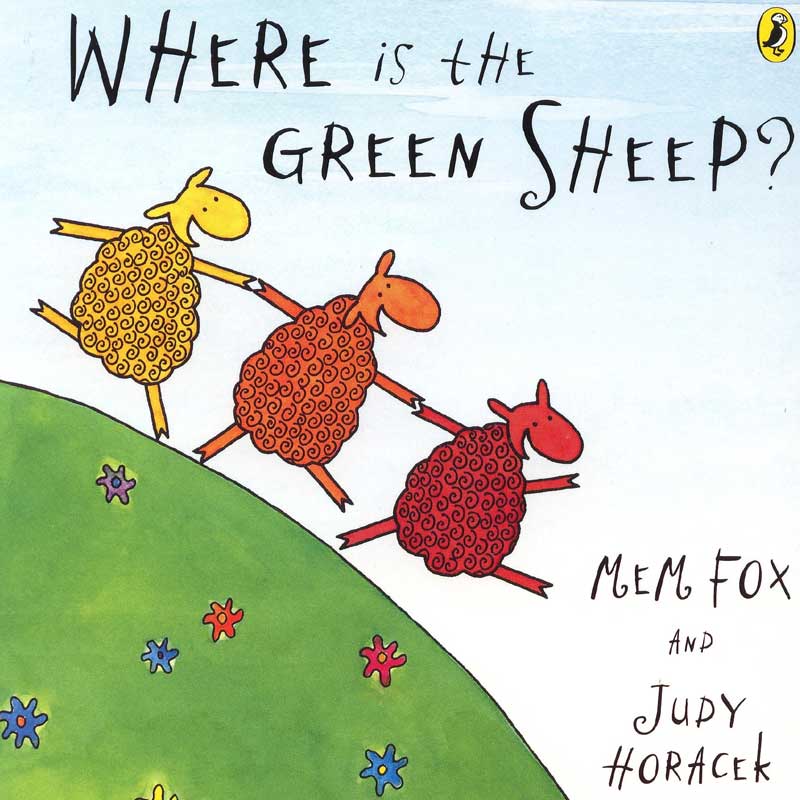
Simple books such as Where Is the Green Sheep? by Mem Fox and Judy Horacek give adults lots of opportunities to repeat simple words and talk about what they can see.
Lift-the-flap and touch-and-feel books can also be engaging because there’s something for babies to explore and anticipate.
You don’t need to read every word. You might simply point to a picture and say:
“Dog. Woof woof!”
Your baby may look, smile, make a sound or reach towards the picture. That little exchange is part of early communication, and it’s a great example of how to read to baby for language development from the very start.
Books with repetition and predictable language
There’s a reason young children often want the same story night after night.
Repetition makes language familiar.
When children hear the same words and phrases repeatedly, they have more opportunities to understand them and eventually anticipate what might come next.
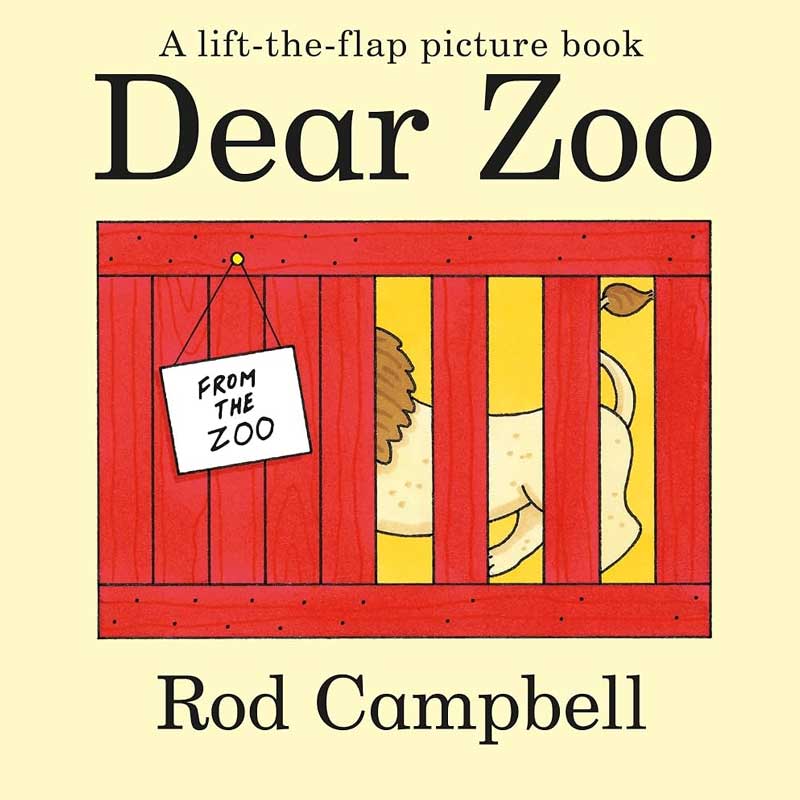
Books such as Dear Zoo by Rod Campbell and Brown Bear, Brown Bear, What Do You See? by Bill Martin Jr and Eric Carle use predictable patterns throughout the story.
Once your child knows a favourite book well, you can occasionally pause before a familiar word or phrase and give them an opportunity to join in.
They might say the word, make a sound, use a gesture or simply look at you expectantly.
All of those responses count as participation.
Books with sounds and actions
You don’t have to stick to the words printed on the page.
Animal sounds, vehicle noises, actions and silly sounds can make books particularly engaging for young children.
A picture of a cow might become:
“Cow! Moo!”
A car might go:
“Brrrm brrrm!”
And a character falling into a puddle might get a very enthusiastic:
“SPLASH!”
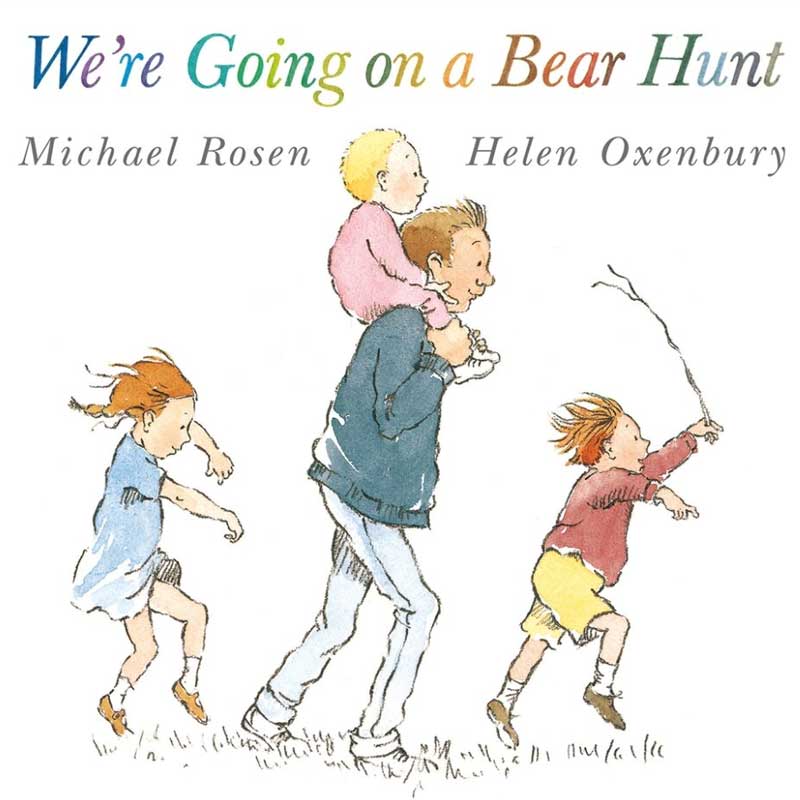
Books such as We’re Going on a Bear Hunt by Michael Rosen and Helen Oxenbury naturally invite children to join in with actions, sounds and repeated phrases.
For children who aren’t yet using many words, joining in with a sound, movement or gesture can be a wonderful way to participate in the interaction.
Books for learning new words
Books can take children beyond the vocabulary they hear during their usual routines.
A child who loves animals might discover feathers, beak, enormous or hatching. A book about construction could introduce digging, crane, concrete or enormous.
You don’t need to stop and teach every unfamiliar word.
Choose a few interesting words and talk about them naturally as you read.
Using picture books for language skills works particularly well when the illustrations are detailed, because you can return to the same page and notice something different each time.
This is also why the same book can continue to be useful as your child’s language develops. A younger child might name dog. Later, you might talk together about the muddy dog, where it’s going or why it’s hiding.
If you’d like to understand more about children’s communication development and the different areas speech pathologists support, our Speech Therapy for Kids A Parent Guide is a helpful place to start.
Books about familiar experiences
Stories about things children experience in their own lives can provide wonderful opportunities for conversation.
Books about:
- going to the park
- having a bath
- visiting the doctor
- becoming a sibling
- going to childcare
- bedtime
- family
- feelings
allow children to connect what they’re seeing in the book with things they already know.
You might read about a character putting their shoes on and say:
“You put your gumboots on this morning too!”
Those little connections help bring the language in the book into your child’s everyday world.
Books for talking about feelings
As toddlers’ language develops, books can also help give words to experiences and emotions that are sometimes difficult to explain.
Characters might feel excited, worried, cross, surprised or disappointed.
Rather than turning these moments into a quiz—“How does she feel?”—you can simply comment:
“She looks worried. She can’t find her teddy.”
This models both the emotion word and the reason behind it.
Books about emotions don’t need to explicitly teach feelings either. Almost any good story involving characters and problems gives you opportunities to talk about what people might be thinking or feeling.
Books for early storytelling
As children move from toddlerhood (around two to three years) into the preschool years (three to five), their ability to understand and tell simple stories begins to grow.
Books with a clear sequence of events can support this.
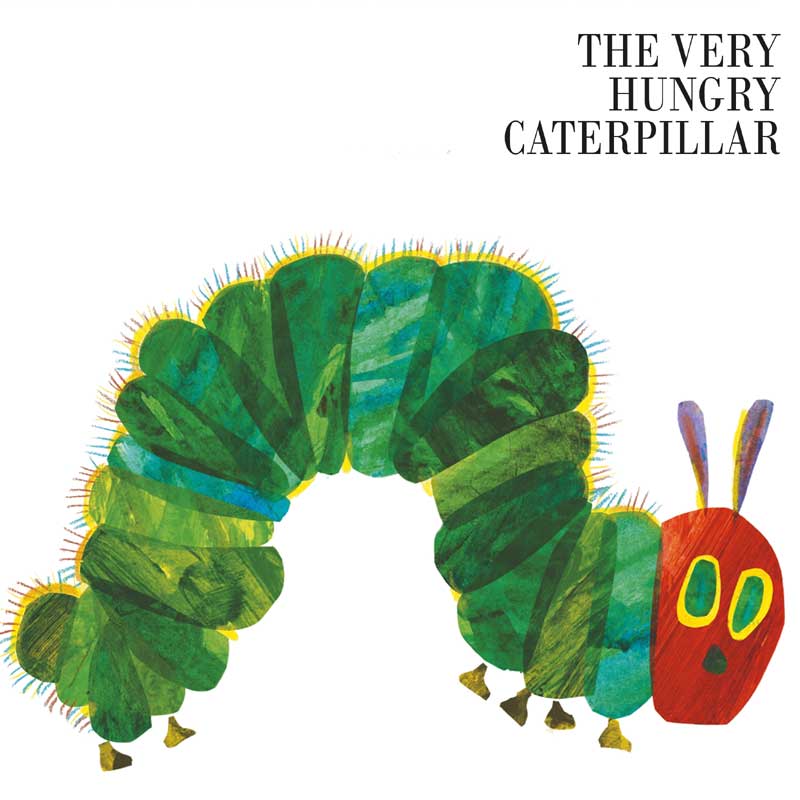
You might start talking about what happened first, what happened next or simply retell part of the story together.
A familiar story such as The Very Hungry Caterpillar by Eric Carle provides a clear sequence children can gradually become familiar with and talk about.
The goal isn’t to test whether your child remembers the story correctly. It’s to give them opportunities to talk about events, connect ideas and gradually develop their own storytelling skills.
Do you need to buy particular books?
No.
Your local library, books you already own and stories borrowed from friends or family can all provide rich opportunities for language.
And don’t worry if your child chooses the same three books repeatedly.
Familiarity can actually be helpful. When children know what’s coming, they have more opportunities to notice the language, anticipate familiar parts, and participate in the story.
The “best” book is often simply the one your child wants to share with you.
It’s not just what you read — it’s how you read together
Reading together is one of the easiest speech therapy activities at home — no special resources or planning required. You don’t need to ask lots of questions or make your child name everything on the page for reading to support their language.
Often, simply commenting on what has caught their attention, adding a word or two to something they’ve said, pausing and giving them time to respond can create richer interactions. This kind of interactive reading for early communication skills doesn’t need to be complicated — small, responsive moments matter most.
And if your toddler isn’t interested in sitting through an entire story, that’s okay too. Looking at a few pictures and having a short interaction together is still worthwhile.
Our How to Read With Your Child to Support Language Development guide shares practical speech therapy reading strategies for toddlers you can use to make story time more interactive without turning it into a lesson.
When you’re concerned about your child’s language
Reading together is one of many wonderful ways to support communication at home. Children also learn language while playing, eating meals, getting dressed, going out and simply spending time talking with the people around them.
But reading more isn’t a replacement for seeking advice if you have concerns about your child’s communication.
If you’ve noticed your child is having difficulty understanding language, using words and sentences, or communicating their needs and ideas, you don’t need to wait until they reach a particular age to ask for advice.
Our When Should Speech Therapy Start? guide explains some of the signs that may indicate it’s worth speaking with a speech pathologist.
The most important thing to remember is that reading doesn’t need to look perfect. Find books your child enjoys, follow their interests and enjoy the interaction together. Those shared moments are where much of the language learning happens.