



Blog

Setting the Stage: Creating a Supportive Mealtime Environment for Children
When we think about mealtimes, it's easy to focus mostly on the food. But where and how your child sits, the tools they use and what's happening around them can all affect how comfortable it feels to participate at the table. A few simple changes to your child's...

Why Mealtimes Feel So Hard (And What’s Really Going On)
"I want my child to eat a wider variety of foods." "They won't sit still for meals." "My child only eats with their hands." "Dinners feel like a battle." Sound familiar? These are concerns we often hear from families. There's much more involved in a mealtime than...

Mealtime Made Easy: Routine, Roles, and Less Stress
If mealtimes at home involve negotiating, pleading, or a plate of untouched dinner, you're in very good company. Two things that can help take some of the pressure out of family mealtimes are creating a predictable rhythm to the day and understanding who is...

How to Choose Books To Support Speech and Language Development
There are thousands of children's books to choose from, but when it comes to supporting language development, you don not need a shelf full of special "educational" books. Some of the best books are actually the simple ones your child wants to read again and again....

How to Read With Your Child to Support Language Development
Reading with your child is a wonderful way to support their language development. You don't need to read every word, ask lots of questions or even finish the book for it to be valuable. In fact, when speech pathologists use books with young children, we often spend...

Sibling Therapy Session & Activities
Brothers and sisters learn a great deal from one another. They practice talking, sharing, negotiating, waiting, helping and handling disagreements during life. These experiences can support development, but they can also become challenging when one child has...

Is My Child on Track? When to Monitor, When to Seek Support and What to Do Next
Wondering if your child is developing on track? Learn the signs to monitor, when to seek professional support, and how speech and occupational therapy can help.

What Speech Pathologist Does?
Many parents worry when their child is not talking as expected, but not everything you hear about speech therapy is true. In this video, we explore common myths about speech delays, communication development, and speech therapy for children. Learn when to seek...
What Does Occupational Therapy Does
Occupational therapy supports children in building the everyday skills needed for success at home, school, and in the community. From emotional regulation and sensory processing to self care, feeding, dressing, and social development, occupational therapists help...

Why Some Everyday School Tasks Feel Hard (and How Occupational Therapy Supports Them)
You might be noticing this at school Sometimes it is not the big things. It is the everyday moments that feel hard. Your child might: Avoid writing or get tired quickly Struggle to sit still during class Find it hard to follow instructions or get started Feel...
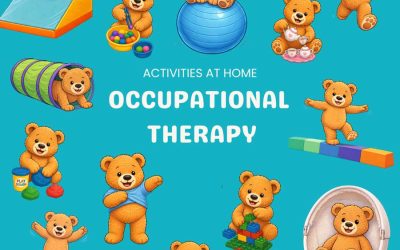
Occupational Therapy at Home
Simple Ways to Support Your Child in Everyday Life As parents, it can be hard to know how to support your child’s development at home — especially when advice online often feels overwhelming or unrealistic. The good news is that occupational therapy support at home...
Play Therapy Activities
It Looks Like Play… But It is Therapy If you’ve ever watched your child during a therapy session and thought, "It just looks like they’re playing," you’re not alone. It is a very common question and something many parents share with us in their first few sessions. So,...

Can Occupational Therapy Help with Behaviour? What Is Really Going On
When Your Child’s Behaviour Feels Hard Right Now Perhaps your child is having more meltdowns than usual. Do transitions feel like a battle? Do small things quickly turn into big reactions? It can feel exhausting and confusing. You might be wondering: Why is this...
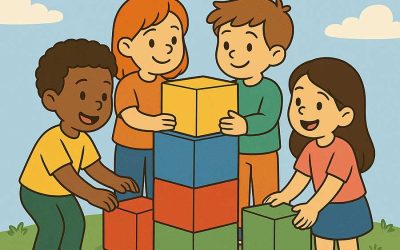
Benefits of Group Occupational Therapy for Kids
Group Occupational Therapy offers something incredibly powerful. It brings kids together in a structured and supportive environment where they can build real life skills while learning side by side. In a well designed OT group, children are not just completing...
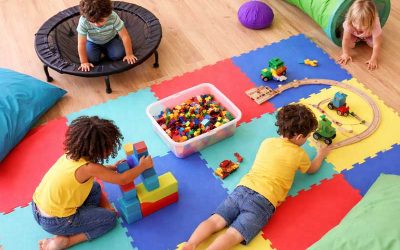
How Occupational Therapy Helps Autistic Children in Everyday Life
When Something Feels Harder Than Expected You might notice your child experiences everyday life differently. Such as: Getting dressed Brushing teeth Trying new foods Coping with noise Joining in with play Moving between activities It can sometimes feel overwhelming,...
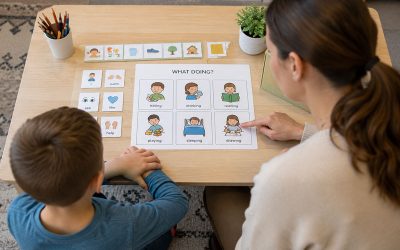
How Speech Therapy Helps Autistic Children Communicate
You may have noticed that your child finds it hard to tell you what they want, answer questions, join in with other children or cope when they are not understood. Autistic children may communicate in different ways. They may use fewer words, repeat words or phrases,...
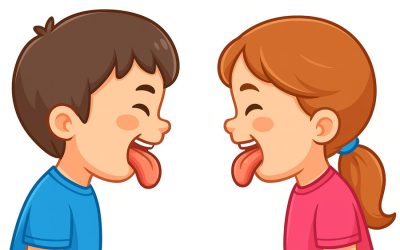
What parents should know about articulation training and exercises
If your child has difficulty saying certain speech sounds clearly, you may have searched for articulation speech therapy activities or exercises you can practise at home. There are plenty of speech therapy activities at home that can make practice more engaging, but...
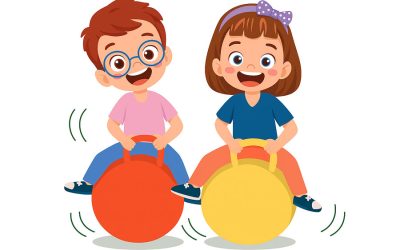
Sensory Deep Pressure Therapy Activities for Kids: Ideas for Home and Play
Sensory deep pressure therapy activities are essential in helping children to manage their sensory needs, regulate their emotions and feel calm and secure.
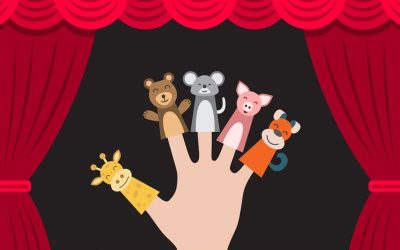
Theatre Activities for Kids
Speech is one of the most important skills a child acquires in early childhood. It is indeed an acquisition, as speech is not something that comes naturally to humans from birth. It takes time for a child to start talking. And we, as adults, must make considerable...

How to Teach Pencil Grip
Simple Ways to Help Your Child Hold a Pencil with Confidence Key Takeaways Pencil grip develops gradually as children grow and gain experience with drawing and writing. There isn't just one "perfect" pencil grip several mature grips can be efficient and functional....
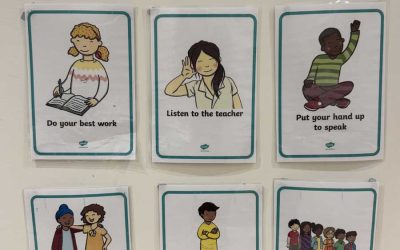
Whole Body Listening Games and Activities
Key Takeaways Whole Body Listening skills are often developed through play, movement and meaningful interactions. Games and activities can help children practise attention, participation and self-regulation in a fun and engaging way. Whole Body Listening looks...

What Is Whole Body Listening And How Can It Help Your Child
Key Takeaways Whole Body Listening helps children understand that it isn't just about hearing sounds with the ears, it involves the whole body working together to show attention and understanding. It provides a framework for paying attention, participating in...

Following Instructions Activities
Every parent and teacher knows the value of a child listening and carrying out instructions. The ability to follow instructions skill is not just about doing what is asked. It is about building communication, social understanding and self-confidence. Whether at home,...
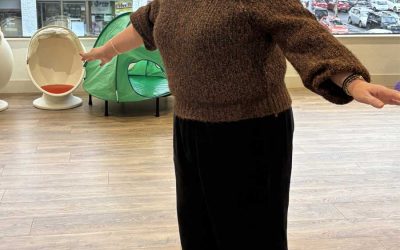
How to Develop Gross Motor Skills
Key Takeaways Gross motor skills help children run, jump, climb, balance and participate confidently in everyday activities. Children develop gross motor skills through movement, play and everyday experiences. If gross motor challenges are affecting participation at...
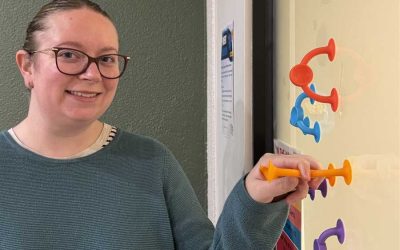
Why Are Fine Motor Skills Important
Key Takeaways Fine motor skills assist children complete everyday tasks such as drawing, dressing, eating and using school tools. Children develop fine motor skills gradually through play, practice and everyday experiences. If fine motor challenges are affecting...
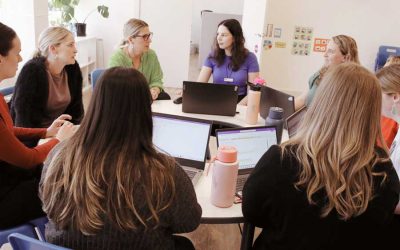
Position Closed: Paediatric Speech Pathologist
We are seeking a Speech Pathologist role who is passionate about working with children and families. Whether you’re early in your career or bringing several years of experience, we’ll support your growth and development.
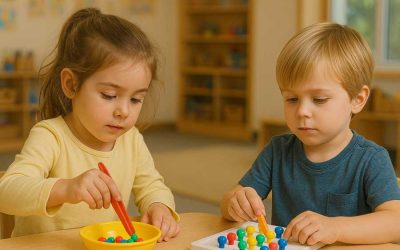
Fine Motor Skills Activities for Preschoolers
Fine motor skills are the building blocks of independence for preschoolers. They allow young children to complete everyday tasks like drawing, tying shoelaces, opening lunchboxes, and using scissors. In Australia, occupational therapists frequently design activities...

Top Speech Pathology Courses in 2025
Speech Pathology is quickly becoming one of the most in-demand services across Australia. More families are seeking help for their kids who struggle with speech sounds, language delays, or communication issues. Parents notice these challenges early at home or when...
Does Group Therapy Help Kids? Real Benefits for Confidence, Social Skills and School
You might be wondering if it’s actually worth it You understand what group therapy is… but the real question is: “Will this actually help my child?” You might be thinking: “What if they don’t join in?” “Will they feel overwhelmed?” “Would 1:1 therapy be better?” It’s...
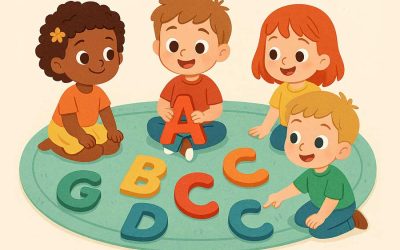
7 Stages of Language Development
Key Takeaways Children develop communication skills in a generally predictable way, from early sounds through to complex conversations. Everyday interactions such as talking, reading and playing together help support language development. While every child develops...
Speech Development Milestones: How Clear Should My Child’s Speech Be?
What Is Speech Sound Progression? How Clear Should My Child's Speech Be? Why Do Children Say Some Sounds Differently? When Might Speech Clarity Be a Concern? How Can a Specialist Help? Supporting Speech Clarity at Home When Should You Seek Advice? Frequently Asked...
What Are the Zones of Regulation Used For?
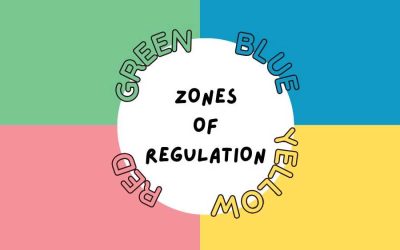
Sometimes it’s not the learning — it’s everything around it. Your child might: Get overwhelmed quickly Have big reactions to small changes Struggle to stay calm in group settings Shut down or withdraw during the day Find it hard to “bounce back” once upset And you...

Benefits of Reading Books for Preschoolers
Reading with your child can be a lovely part of the day. It might happen curled up together before bed, during a quiet afternoon at home or when your child brings you the same favourite book for what feels like the hundredth time. Shared reading is doing much more...

Advantages of Sensory Swings for Children
You may have seen sensory swings in a pediatric occupational therapy clinic, classroom or even in someone's home. They can look like traditional swings, hammocks, platforms or stretchy fabric that surrounds the body. Sensory swings are a common tool in pediatric...

Adult vs Pediatric Speech Therapy Techniques
Speech therapy is vital for individuals facing speech and language difficulties, whether they are children or adults. However, the methods applied in pediatric speech therapy differ significantly from those used for adults. Understanding these distinctions is crucial...

How to teach & say K sound speech therapy
The “k” sound can be heard in words such as cat, key, car and book. Like other speech sounds, children learn to use the “k” sound as their speech develops. Some children may find “k” tricky to say or may use another sound in its place. For example, a child might say...

Sh Sound Speech Therapy Activities
The “sh” sound can be heard in words such as shoe, shop, fishing and brush. Like other speech sounds, children learn to use the “sh” sound as their speech develops. Some children may find “sh” tricky to say or may use another sound in its place. Whether this is...
Articulation Development
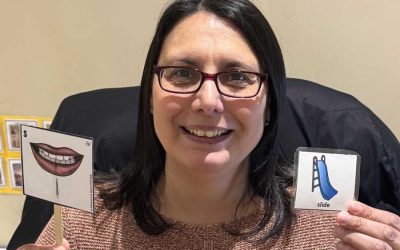
Articulation Development: When Do Children Learn Different Speech Sounds? Key Takeaways Children learn speech sounds gradually over many years, with some sounds developing earlier than others. Many speech sound errors are a typical part of development and often reduce...

S Sound Speech Therapy Activities
The "s" sound can be heard in words such as sun, sock, messy and house. Like other speech sounds, children learn to use the "s" sound as their speech develops. Some children may find "s" tricky to say or may produce it differently. Whether this is something that needs...
Best Dice Games for Preschooler Kids
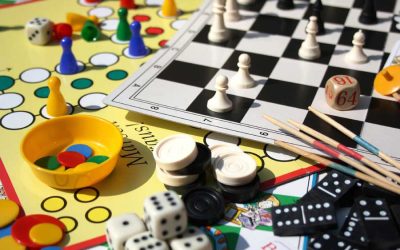
Dice games provide an engaging, interactive way for young children to develop essential skills across various learning areas. From counting and language skills to motor and social abilities, these games serve as an ideal tool for parents and educators, particularly...

What is Occupational Therapy in the Schools?
You might have heard your child’s teacher mention occupational therapy… or you’ve noticed your child finding certain parts of school harder than expected. Maybe it’s: Struggling to sit still or stay focused Avoiding writing or getting frustrated with schoolwork...

(Th) Speech Therapy Activities
The “th” sound can be heard in words such as think, thumb, this and tooth. Like other speech sounds, children learn to use “th” as their speech develops. You may notice your child uses another sound in its place. For example, they might say “fink” instead of “think”...

A Path to Improvement: Transforming Autism in a Child with Effective Interventions
Recent research has highlighted the remarkable potential of lifestyle changes in reversing autism symptoms in children aged 4 years old. This study has brought hope to many families, showcasing how specific interventions can significantly improve the quality of life...

When Should Speech Therapy Start? A Guide for Parents
It isn't always easy to know when to seek support for your child's communication. Perhaps your toddler isn't using as many words as you expected. Maybe other people are finding your child's speech difficult to understand or your child is talking plenty, but they're...

What Is Group Therapy for Kids? (And How It Actually Helps)
You might have heard about group therapy... but you are not quite sure what it actually looks like. Maybe your child: Finds it hard to make or keep friends Struggles in group settings like school or play Gets overwhelmed or unsure around other children Needs support...

Basic Functional Play Activity Examples for Kids: Practising Everyday Self-Care Skills
Learning to get dressed, put on shoes, pack belongings away or follow a morning routine involves lots of small skills — the building blocks of child development. These skills don't always need to be practised when you're actually trying to get out the door. Play can...

How does occupational therapy help sensory processing?
If your child becomes overwhelmed by loud noises, avoids certain clothes, struggles in busy places or seems to constantly seek movement, you may have wondered if they are experiencing sensory differences. Many families explore pediatric occupational therapy when they...

Speech Therapy for 5 Year Olds: What to Expect and When to Seek Support
At around five years old, children go through a big stage of growth in their communication. They’re learning to express their ideas more clearly, build friendships, and develop early reading and writing skills. While every child develops at their own pace, this is...

Speech Therapy Activities
Children develop their communication skills through everyday interactions — playing, talking, reading books, singing songs and spending time with the people around them. If your child is seeing a Speech Pathologist, you may also be given particular activities or...

Handwriting Practice Tips for Kids
Simple Ways to Support Your Child's Handwriting at Home Short, regular handwriting practice is often more effective than long practice sessions. Many of the best handwriting skills develop through play, movement and everyday activities. Focus on building confidence...