



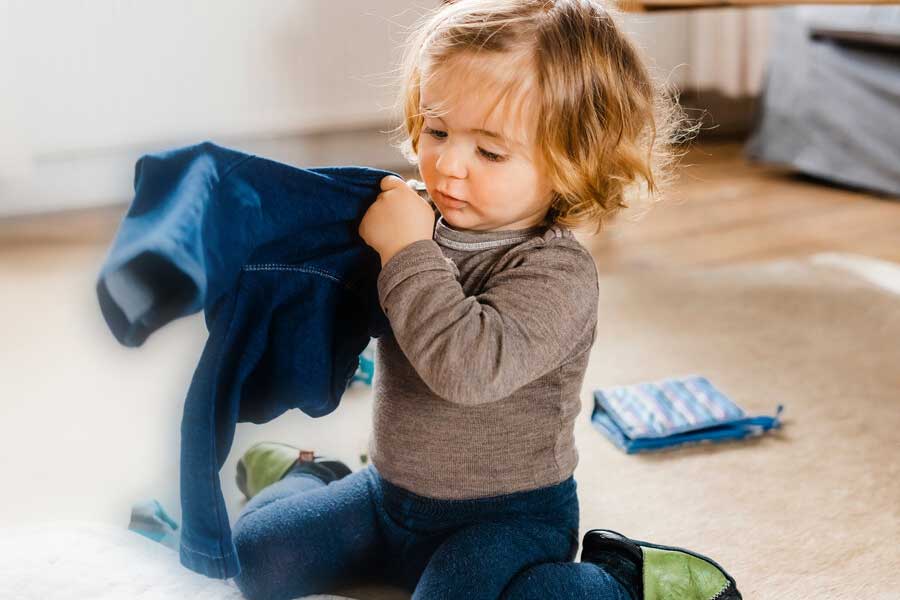
Learning to get dressed, put on shoes, pack belongings away or follow a morning routine involves lots of small skills — the building blocks of child development. These skills don’t always need to be practised when you’re actually trying to get out the door.
Play can give children a chance to explore everyday routines when there is less pressure and more time to experiment. A doll can get dressed for a cold day. Teddy can get ready for bed. A favourite toy might need help finding its missing socks.
These simple games can give children opportunities to practise parts of everyday routines in a playful and familiar way.
Below are some functional play activities you can try at home using toys and items you may already have.
What Are Functional Play Activities?
Functional activities are the everyday tasks children participate at home. Some functional play activities also give children opportunities to practise motor skills, sequencing and using both hands together. Which skills are involved will depend on the activity.
These can include getting dressed, brushing their teeth, putting on shoes, packing away their belongings and helping with simple household routines.
Functional play gives children opportunities to explore some of these skills through play rather than only practising them during the actual routine.
It doesn’t replace practising the real activity. Instead, it can be another way for children to become familiar with the steps, objects and skills involved.
If you’d like a broader explanation of functional skills and how they fit into children’s everyday lives, start with our Functional Activities for Kids at Home guide.
1. Find the Pair
What you need: Socks, shoes, gloves or pictures of clothing items.
Mix up several pairs and ask your child to help you find the ones that belong together.
You could make up a simple problem to solve:
“Oh no! Teddy has lost his other sock. Can you help him find it?”
Start with just a few obvious pairs and add more as your child becomes familiar with the game.
What are they practising?
Matching clothing items can help children become more familiar with the things they use when getting dressed. Picking up, sorting and manipulating the items also gives them opportunities to use their hands and fine motor skills during the activity.
2. Sequence an Everyday Routine
What you need: A few pictures showing the steps of a familiar routine, such as getting dressed, brushing teeth, and putting on shoes.
Choose something your child knows, such as getting ready for kinder, having a shower, making a sandwich or preparing for bed.
Mix up the pictures and see if your child can put them back in order.
You can talk about the routine together:
“What happens first?”
“You’ve put your pyjamas on. What happens next?”
For children who need more support, start with just two or three steps.
What are they practising?
Everyday routines involve remembering and completing several steps. Sequencing games allow children to explore the order of those steps away from the time pressure of the actual routine.
3. Dress a Doll for the Weather
What you need: A doll, teddy or other toy and a selection of clothing.
Tell your child where the toy is going and what the weather is like.
Perhaps Teddy is heading outside on a cold morning. What might Teddy want to wear?
On another day, the doll might be going to the beach.
Let your child choose the clothing and help dress the toy. You can talk about what they’re doing as they play without needing to correct every choice.
What are they practising?
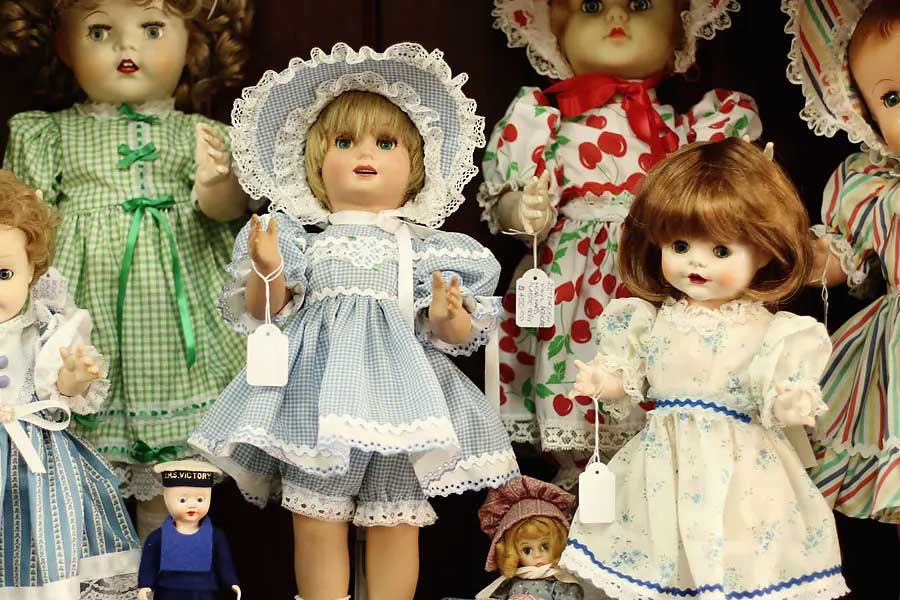
Playing with clothing can help children become familiar with different garments and the steps involved in dressing. Depending on the toy and clothing, they may also practise manipulating sleeves, fasteners or other small parts.
4. Get Teddy Ready for Bed
What you need: A favourite doll or soft toy and a pretend bed.
Ask your child to help their toy get ready for bed.
What does Teddy need to do before sleeping?
Your child might take off Teddy’s clothes, put on pretend pyjamas, brush Teddy’s teeth, find a favourite bedtime toy and tuck Teddy into bed.
Use the routines that are familiar in your household rather than creating a particular sequence your child has to follow.
What are they practising?
Pretend play can help children explore familiar self-care routines and think about the different steps involved.
5. The Magic Shoelace
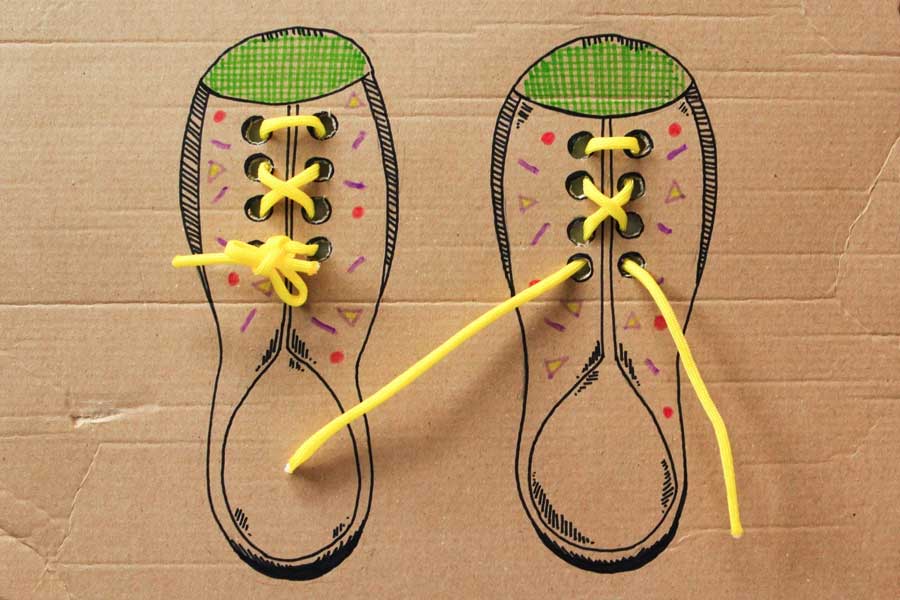
What you need: A piece of sturdy cardboard with holes punched into it and a thick shoelace.
Threading doesn’t have to begin with tying a shoe.
Make a simple cardboard shape and let your child thread the shoelace in and out of the holes. They might create a pattern, make a pretend shoe or simply experiment with getting the lace through each opening.
If your child is learning to manage shoelaces, the activity can gradually become more similar to the real task.
What are they practising?
Threading requires children to use both hands together and manipulate the lace with their fingers. These are some of the hand skills also used when managing clothing and fasteners.
6. Help a Toy Get Ready to Go Out
What you need: A doll or teddy and some clothing or accessories.
Tell your child that their toy needs to go somewhere.
Maybe Teddy is going to kinder. Perhaps the doll is going to the park. What do they need before they leave?
Your child might help the toy put on a jacket, find its shoes, pack a pretend bag or remember a hat.
You can make the game as simple or detailed as suits your child.
What are they practising?
Getting ready to leave the house involves more than dressing. Children may need to think about what they need, remember several steps and organise their belongings.
Practising this through pretend play gives them an opportunity to explore the routine without the usual rush of actually leaving home.
7. Practise Socks and Shoes
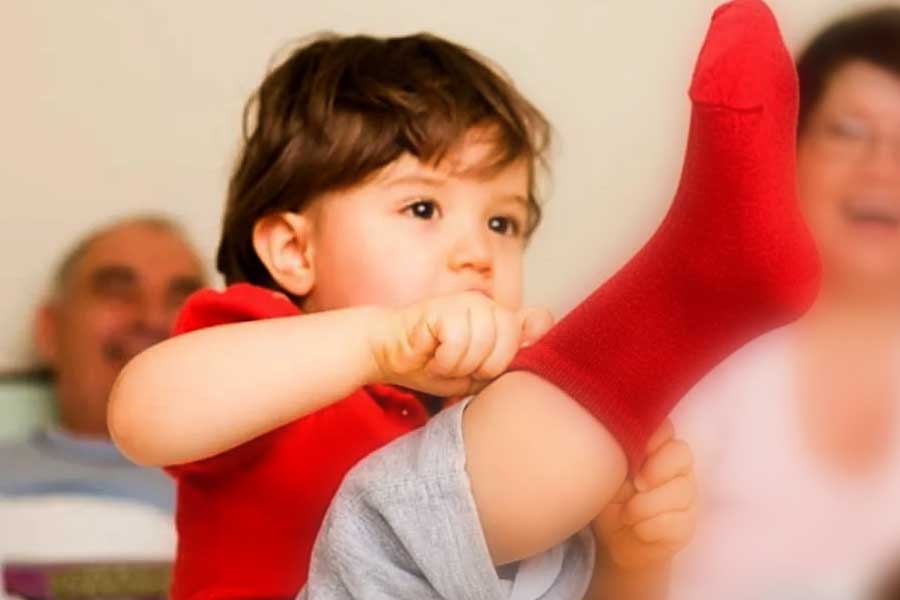
What you need: Your child’s own socks and shoes, or clothing for a doll.
Instead of only practising shoes when it’s time to leave, choose a relaxed moment when your child is interested.
You could hide several shoes around the room and find the matching pairs before putting them on.
Or have a race between your child and Teddy — not to see who is fastest, but to see whether everyone can find where their shoes belong.
If putting shoes on is still difficult, your child might practise just one part, such as opening the fastener, pushing their foot inside or pulling the strap across.
What are they practising?
Putting on socks and shoes can involve using both hands together, balancing, positioning the body and managing fasteners. Practising one part at a time can make a bigger task more manageable.
8. Make the Bed Together
What you need: Your child’s bed — or start smaller with a doll’s bed.
A doll’s bed can be an easy place to start. Ask your child to arrange the pillow, straighten the blanket and tuck their toy in.
If they’re interested, try the same activity with their own bed.
They might be responsible for placing their pillow in position or pulling up their blanket rather than making the entire bed.
What are they practising?
Household routines can give children opportunities to organise objects, follow a familiar sequence and participate in looking after their own space.
The aim isn’t a perfectly made bed. Participation is the important part.
9. Clean Muddy Shoes
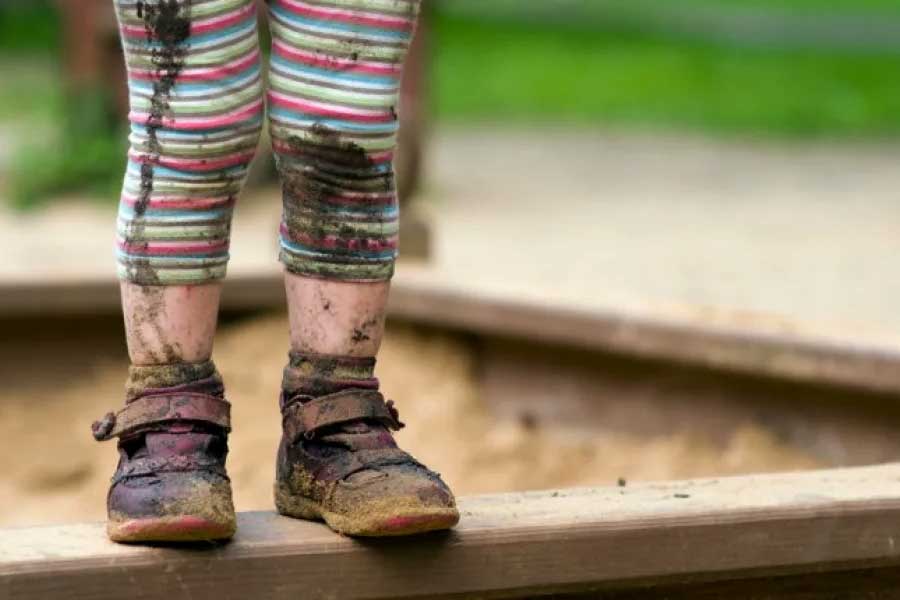
What you need: Shoes that need cleaning, a suitable brush or cloth and an appropriate place to make a mess.
If your child’s shoes come home muddy, invite them to help clean them.
You might start by showing them what you do and then give them a small part of the job.
“There’s mud on this side. Can you see anywhere else we need to clean?”
Some children will enjoy getting involved. Others may dislike touching mud or dirty shoes, and that’s okay too.
What are they practising?
This is a real-life task with a clear purpose. Children have an opportunity to participate in looking after their belongings while using their hands to hold, turn and clean the shoe.
10. Pack It Away
What you need: Something that already needs packing away.
Rather than setting up another activity, use what’s happening in your child’s day.
After getting dressed, can they put their pyjamas in the laundry basket?
After play, can they return the cars to their container?
After coming home, can their shoes go in their usual spot?
For children who find packing up a large task overwhelming, start small:
“I’ll put the blocks away. Can you find all the cars?”
What are they practising?
Tidying up involves recognising where things belong, organising items and participating in household routines. Having a predictable place for belongings can also make the task easier to understand.
Making Functional Activities Work for Your Child
You don’t need to work through all of these activities.
Choose something that connects with a skill your child is currently learning and adapt it to their interests and abilities.
A child who loves dolls might enjoy dressing them. A child who isn’t interested in pretend play might prefer practising with their own clothes. Another child might enjoy sorting, matching or turning the activity into a silly game.
It can also help to:
- practise when you aren’t in a rush
- start with one manageable part of a task
- demonstrate if your child isn’t sure what to do
- offer help when it’s needed
- give your child time to experiment
- notice when they have had enough.
Children may need different amounts of support from one day to another. The aim isn’t to make every child independent as quickly as possible. It’s to give them opportunities to participate and build familiarity with skills that are useful in their everyday life.
When Might an Occupational Therapist Help?
Sometimes a child wants to participate in a self-care activity but finds parts of the task difficult.
There can be many reasons for this. This is where pediatric occupational therapy can help.
For example, dressing can involve balance, body awareness, fine motor skills, remembering the order of steps and managing the feel of different clothing. Brushing teeth involves a different combination of motor, sensory and sequencing demands.
A paediatric Occupational Therapist can look at the whole activity, identify where the difficulty is occurring and work with the child and family to find practical ways to support participation.
Our Occupational Therapy for Children: A Parent Guide explains more about how Occupational Therapists support children with everyday activities and routines.
Building Everyday Skills Through Play
Children don’t have to practise everyday skills only when those skills need to be completed.
Play can create extra opportunities to experiment with dressing, routines, organising belongings and looking after themselves — often at a time when everyone is a little less rushed.
Keep it relevant to your child, follow their interests and focus on participation rather than getting every step right.
Small opportunities to join in with everyday activities can add up over time, supporting healthy child development.