


Key Takeaways
- Whole Body Listening skills are often developed through play, movement and meaningful interactions.
- Games and activities can help children practise attention, participation and self-regulation in a fun and engaging way.
- Whole Body Listening looks different for every child, and activities can be adapted to suit individual needs and preferences.
What Is Whole Body Listening?
Whole Body Listening is the idea that listening involves more than just our ears.
Children often use a combination of attention, body awareness, self-regulation and communication skills when listening and participating in conversations or activities.
If you are new to the concept, read our article What Is Whole Body Listening and How Can It Support Children? for a full explanation of how Whole Body Listening can support participation and communication.
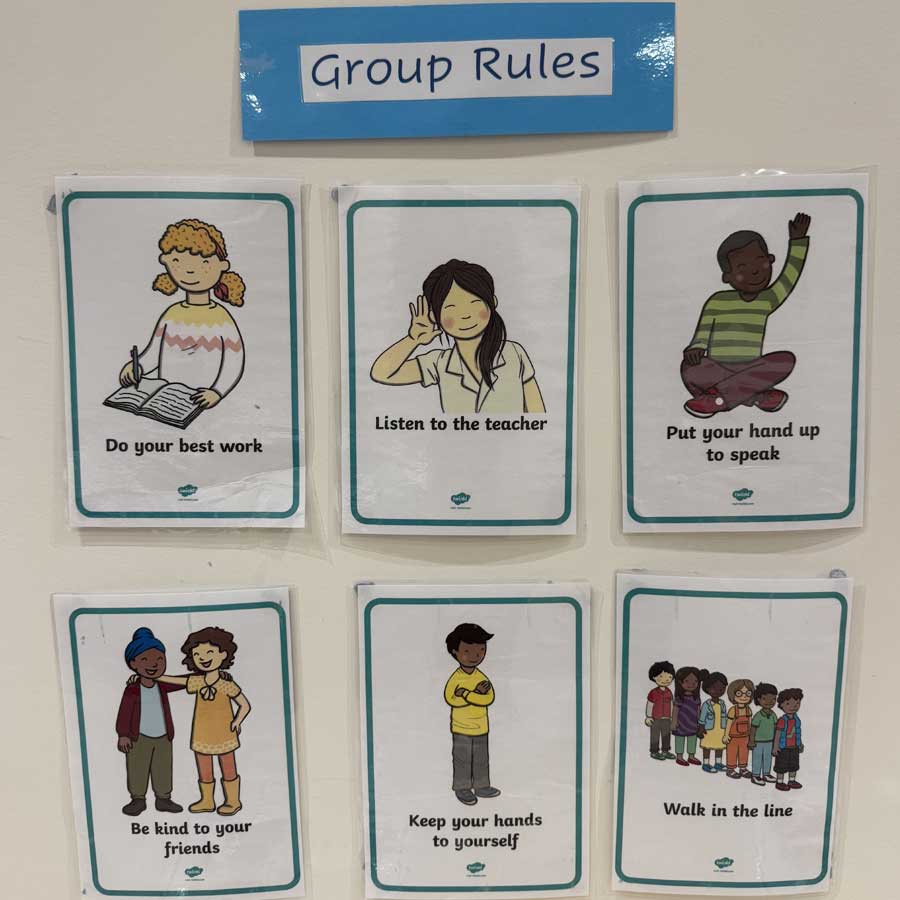
Whole Body Listening Poster

The activities below provide practical ways to practise listening skills at home, school or in therapy.
- 1. Simon Says
- 2. Story Circle
- 3. Follow the Leader
- 4. Mirror Me
- 5. Listening Walk
- 6. Describe and Draw
- 7. Guess the Sound
- 8. Breathing Buddy
- 9. Silent Signal Game
- 10. Whole Body Listening Yoga
- Adapting Activities for Different Children
- How Occupational Therapy Can Help
- Whole Body Listening and Developmental Milestones
- Supporting Listening Through Play
- Frequently Asked Questions
1. Simon Says
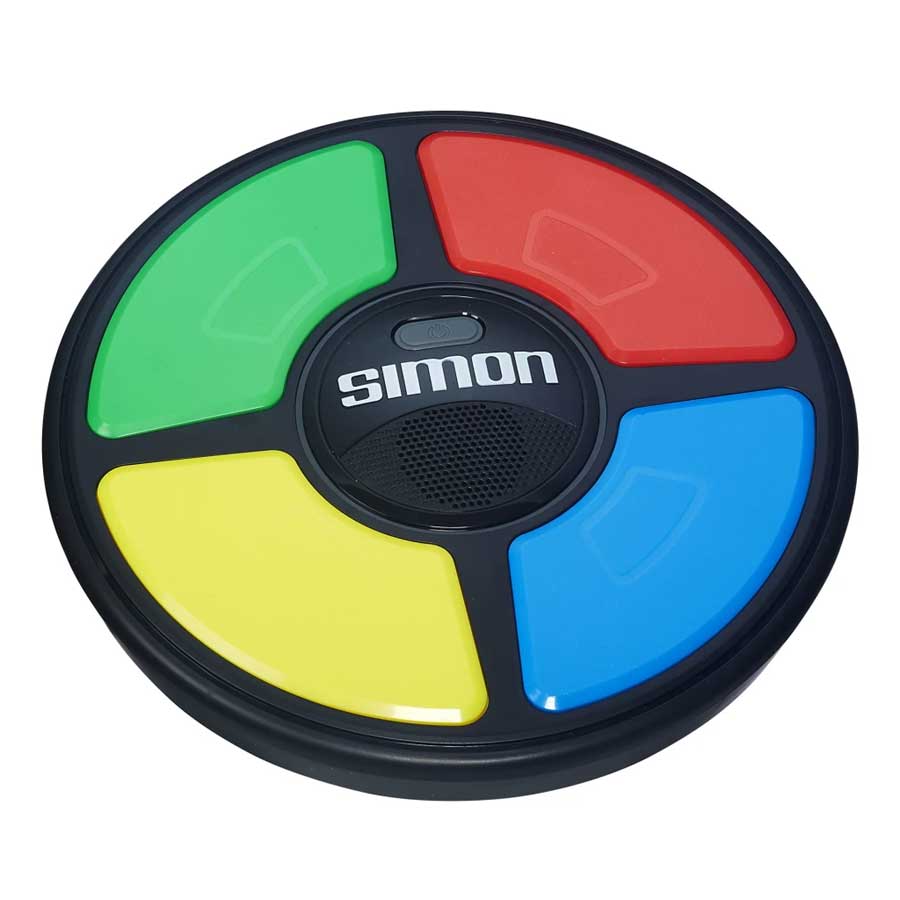
Simon Says is a classic listening game that encourages children to pay attention to verbal instructions.
Children complete actions only when they hear the words “Simon says”.
This activity helps develop:
- Listening skills
- Attention
- Impulse control
- Following instructions
Make It Easier
Use simple one-step instructions.
Make It More Challenging
Introduce multi-step directions.
2. Story Circle

Read a short story together and pause occasionally to ask questions about what is happening.
You might ask:
- What do you think will happen next?
- How is the character feeling?
- Why did they do that?
This activity supports:
- Listening comprehension
- Attention
- Language development
- Perspective taking
3. Follow the Leader

One person leads simple movements while everyone else copies.
Children need to watch, listen and respond to changing actions.
This activity supports:
- Visual attention
- Body awareness
- Motor planning
- Participation in group activities
4. Mirror Me

In pairs, one person performs slow movements while the other copies them like a mirror.
Children often enjoy taking turns being the leader and the follower.
This activity supports:
- Observation skills
- Attention
- Self-regulation
- Social engagement
5. Listening Walk
Go for a short walk indoors or outdoors and encourage children to notice different sounds.
Examples might include:
- Birds
- Cars
- Wind
- Footsteps
- People talking
After the walk, discuss what everyone heard.
This activity supports:
- Auditory awareness
- Attention
- Mindfulness
- Observation skills
6. Describe and Draw
One person describes a simple picture while another person draws it based only on the instructions they hear.
Children need to listen carefully and process information before responding.
This activity supports:
- Listening comprehension
- Following directions
- Visualisation
- Communication skills
7. Guess the Sound

Create sounds using household objects or play recorded sounds and ask children to identify them.
Examples include:
- Keys jingling
- Water pouring
- A door closing
- Paper scrunching
This activity supports:
- Auditory discrimination
- Attention
- Listening awareness
8. Breathing Buddy
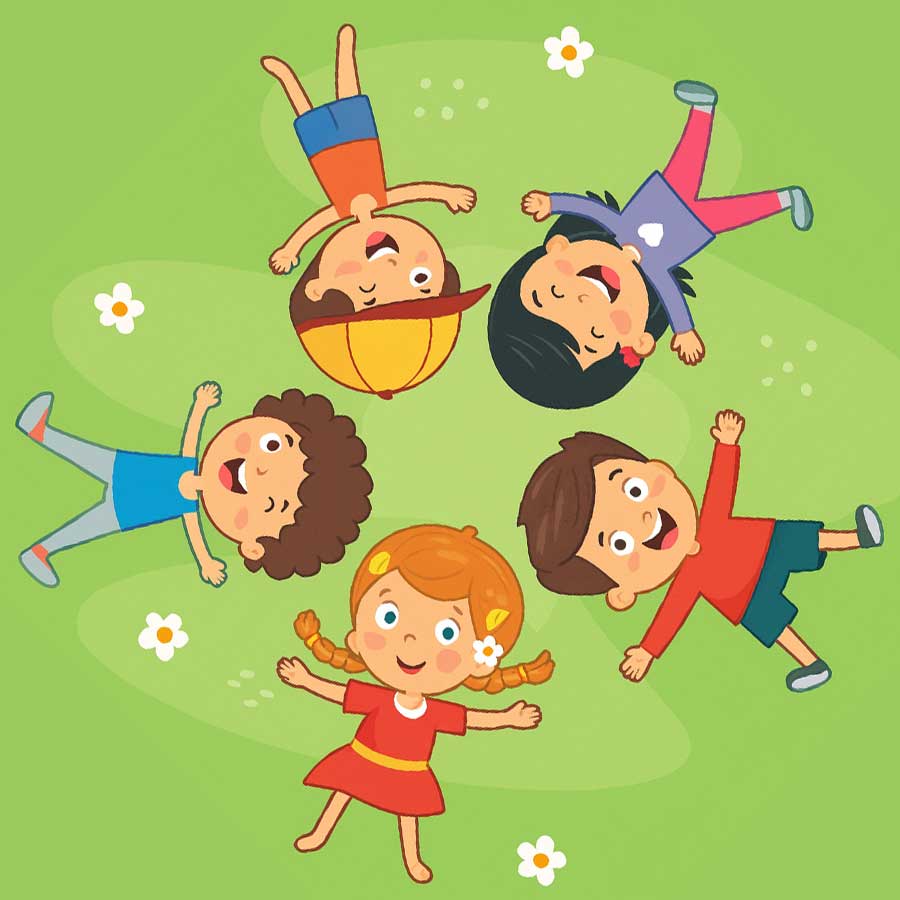
Have your child lie on their back and place a small toy on their tummy.
As they take slow breaths, they can watch the toy rise and fall.
This activity supports:
- Self-regulation
- Body awareness
- Calm attention
- Readiness for listening activities
9. Silent Signal Game

Use simple hand signals instead of spoken instructions.
For example:
- Thumbs up
- Pointing
- Waving
- Stop signals
Children need to watch carefully and respond appropriately.
This activity supports:
- Visual attention
- Non-verbal communication
- Flexibility
- Participation
10. Whole Body Listening Yoga

Simple yoga poses combined with breathing activities can help children become more aware of their bodies and attention.
Activities might include:
- Tree pose
- Cat-cow stretches
- Child’s pose
- Deep breathing exercises
This activity supports:
- Self-regulation
- Body awareness
- Balance
- Focus
Adapting Activities for Different Children
Every child listens differently.
Some children focus best when:
- Moving
- Holding a fidget
- Sitting on a wobble cushion
- Looking away while processing information
The goal of these activities is not perfect behaviour or compliance.
Instead, they provide opportunities for children to explore the strategies that help them participate, engage and communicate successfully.
Activities can always be adjusted to suit a child’s strengths, interests and sensory needs.
How Occupational Therapy Can Help
Sometimes listening and attention challenges can affect participation at home, childcare, school or in the community.
Occupational therapists can help identify factors that may be influencing participation, including:
- Attention and concentration
- Sensory processing
- Self-regulation
- Body awareness
- Everyday functioning
Support is tailored to each child’s individual needs and goals.
If you would like to learn more about how occupational therapy supports children’s participation and development, read our Occupational Therapy for Children: A Parent Guide.
Whole Body Listening and Developmental Milestones
Listening, attention and self-regulation skills develop gradually throughout childhood.
Activities like those above can help children practise these skills in meaningful and enjoyable ways.
If you’re wondering whether your child’s development is on track, our guide Is My Child on Track? When to Monitor, When to Seek Support and What to Do Next explains common developmental milestones, when it’s appropriate to monitor concerns, and when it may be helpful to seek professional advice.
Supporting Listening Through Play
Children often learn best when they are engaged, interested and having fun.
Games and activities provide natural opportunities to practise listening, attention and participation skills without making them feel like work.
The most effective activity is often the one your child enjoys and returns to regularly.
By creating regular opportunities for play, connection and communication, parents and educators can help children build skills that support participation across many areas of life.
Frequently Asked Questions
What is Whole Body Listening?
Whole Body Listening is a framework that helps children understand that listening involves more than just hearing words. It includes attention, engagement, self-regulation and communication skills.
What age is Whole Body Listening suitable for?
Whole Body Listening activities can be adapted for preschool-aged children through to primary school-aged children, depending on their developmental level and interests.
Do I need special equipment for these activities?
No. Most Whole Body Listening activities can be completed using everyday household items or no equipment at all.
Can these activities be used at school?
Yes. Many of these activities work well in classrooms, small groups, therapy sessions and home environments.
Can occupational therapy help if my child struggles with listening and attention?
Yes. Occupational therapists can help identify factors affecting participation and provide strategies to support attention, self-regulation and everyday functioning.